Narrow stair access Highbury removals solutions
Posted on 24/06/2026
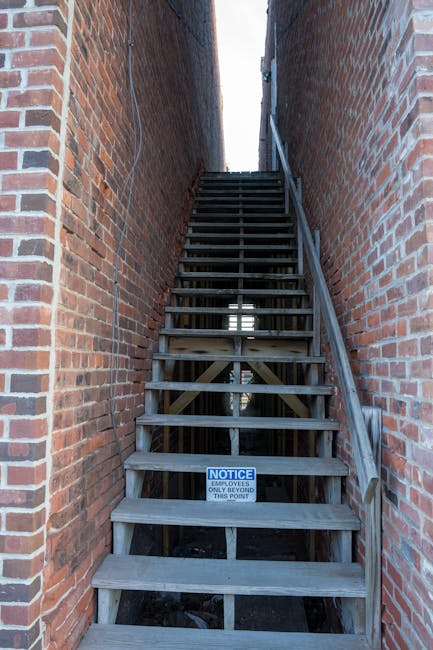
If you have ever tried to carry a sofa up a skinny Victorian staircase, you already know the problem: it is not the distance that gets you, it is the awkward turns, the low banister, the wobble on the landing, and that one doorway that seems to shrink every time you measure it. Narrow stair access Highbury removals solutions are built for exactly that kind of move. They help residents, landlords, and businesses move bulky items safely through tight stairwells, small landings, split-level flats, and older Highbury properties without turning moving day into a stressful drama.
This guide explains how these removals work, why they matter in Highbury, and what a well-planned approach looks like in real life. You will also find practical steps, common mistakes, and a clear checklist so you can judge whether your move needs specialist handling, extra planning, or a different removal method altogether. To be fair, most moving issues are predictable once you know what to look for.
Why Narrow stair access Highbury removals solutions Matters
Highbury has a mix of housing stock that keeps movers on their toes: period terraces, converted flats, maisonettes, and modern apartments with compact communal areas. That mix is lovely for character and location, but it can be awkward on moving day. Narrow stair access is not just a minor inconvenience. It can decide whether a move runs smoothly, whether furniture survives intact, and whether everyone leaves the building without a strained back or scuffed wall.
The challenge usually comes down to geometry. A wardrobe might fit through the front door in theory, yet the staircase turn makes the real route impossible. A bed frame can be light enough, but the landing is too tight to angle it properly. Sometimes the issue is the staircase itself. Sometimes it is the banister, low ceiling, or the fact that two neighbours are also trying to get in and out at the same time. Classic London fun, really.
Good narrow-stair removals planning matters because it reduces risk before anyone starts lifting. It can save time, prevent property damage, lower the chance of injury, and avoid the dreaded moment when a team gets halfway up the stairs and has to reverse out with a large item held awkwardly over the bannister. That kind of situation is messy, noisy, and usually more expensive than doing it properly in the first place.
If your move is part of a broader house move, flat move, or furniture clearance, it helps to understand the wider support available too. Many customers pair staircase planning with furniture removals in Highbury, flat removals Highbury, or a full house removals Highbury service when the access is especially tight.
How Narrow stair access Highbury removals solutions Works
In practice, a specialist stair-access move is not one single trick. It is a sequence of decisions. First comes the assessment. Then the route is measured. Then the team decides whether the item can be moved in one piece, whether it should be dismantled, or whether an alternative route or vehicle setup will be safer.
A proper assessment usually looks at:
- stair width at the narrowest point
- ceiling height on stairs and landings
- number of turns and corner tightness
- door widths at both ends of the route
- weight and shape of the item
- fragile components, handles, glass, mirrors, or protruding legs
- parking and loading access outside the property
From there, movers may use protective coverings, lifting straps, dollies, blankets, or dismantling tools. For some jobs, a two-person carry is enough. For others, the item may need to be disassembled into workable parts before anyone touches the stairs. That is especially common with wardrobes, sofa beds, dining tables, bookcases, and awkward office furniture.
In Highbury, the best solution often combines careful preparation with a flexible vehicle plan. For example, if the road outside is tight or parking is limited, a smaller vehicle may be better than a large one. If timing matters, a man with a van Highbury option can be ideal for lighter, quicker jobs, while a more complete removal van Highbury setup makes more sense for full household contents.
Some jobs also need temporary holding space if the stairs are too restrictive on the day. In that case, storage Highbury can be a practical bridge between moving out and moving in. Not glamorous, but very useful.
Key Benefits and Practical Advantages
The main benefit is obvious: you get items moved without forcing them through a route that was never designed for modern furniture. But the practical advantages go further than that.
- Less risk of damage to walls, bannisters, floors, and the furniture itself.
- Lower physical strain because movers can plan the carry rather than improvising under pressure.
- Better timing since measured access avoids wasted attempts and repeated lifting.
- More accurate quotes when the access challenge is known up front.
- Cleaner handover for landlords, tenants, and buyers because there is less chance of chips or scratches on the stairwell.
- More options for awkward items such as pianos, large sofas, or tall wardrobes.
One overlooked benefit is peace of mind. People often underestimate the emotional side of a move. When the stairs are tight, every item can feel like a puzzle piece that might not fit. Having a specialist plan takes the pressure off. You are not standing there wondering whether the bed will make the turn. You already know the plan.
That is why narrow-access planning is not only about logistics; it supports the whole moving experience. It can also make other services more effective, especially if you are combining it with packing and boxes Highbury, removal services Highbury, or even same day removals Highbury when timing is tight.
Who This Is For and When It Makes Sense
Narrow stair access solutions are useful for far more people than first-time movers. In our experience, the most common situations include:
- people moving into or out of a top-floor flat
- tenants in converted Victorian or Edwardian properties
- owners of large or delicate furniture
- students moving with bulky items in shared buildings
- small businesses relocating office furniture
- households with children, pets, or very little tolerance for disruption
It makes sense whenever the access route is more difficult than the item list. A move with only a few boxes can still be tricky if there is a steep staircase and no lift. Likewise, a bigger move can be straightforward if the route is wide, well protected, and properly measured. The point is not just size; it is fit.
If you are moving in or around N5, you may already know how varied the building layouts can be. That is why guides like N5 removals advice for Highbury homes and Highbury Islington Station removals day checklist can be handy when you are mapping out timing, access, and parking pressure.
And yes, office and retail moves can run into the same problem. A compact stairwell is a compact stairwell. If you are relocating desks, files, or equipment, take a look at office removals Highbury as part of the broader planning picture.
Step-by-Step Guidance
Here is the simplest way to approach a narrow stair access move without overcomplicating it.
- Measure the access route. Check the narrowest stair point, landing widths, and door frames. Measure the furniture too, including handles and feet.
- Identify the awkward items first. Large sofas, mattresses, wardrobes, pianos, mirrors, and glass-topped furniture should be flagged early.
- Decide what can be dismantled. If a piece breaks down into smaller sections, that may be far safer than trying to angle it through intact.
- Protect the route. Use covers for floors, banisters, and corners. A tiny chip on a painted wall is tiny only until you see it in daylight.
- Check parking and loading. If the vehicle has to park far away, the carry becomes longer and more tiring. That changes the job.
- Confirm the team and equipment. Make sure the movers know about the staircase, not after they arrive, but before.
- Clear the route on the day. Remove shoes, mats, bikes, recycling bins, and whatever else tends to gather near the bottom step.
- Move the heaviest items first, if appropriate. Sometimes that is sensible. Sometimes it is not. A good crew will judge it by the route and load.
A good rule of thumb: if a piece needs to be forced, it probably needs a different plan. That might mean dismantling, using a different carrying angle, or moving it through another route entirely. Let the plan do the heavy lifting, not panic.
Expert Tips for Better Results
These are the small details that make a narrow stair move feel controlled rather than chaotic.
- Photograph the staircase before moving day. It helps the team visualise the layout and spot trouble points.
- Use exact measurements, not estimates. "About a metre" is not enough when a sofa needs every centimetre it can get.
- Prioritise the items with the most awkward shape. Bulky, rigid items are often harder than heavy ones.
- Keep screws, bolts, and small parts labelled. If something is dismantled, losing one bracket can slow everything down.
- Protect corners first. Corners are where most accidental knocks happen.
- Leave space at both ends of the staircase. Movers need room to turn and reset their grip.
One practical tip people miss: think about the return journey as well. Getting an item down stairs can be harder than getting it up, especially if it is large and the landing is tight. The carry path changes, and so does the balance. A sofa that felt manageable on the way up can become awkward on the way down. Strange, but true.
If you are comparing providers, you may also want to review general removal companies Highbury options, or even check the broader services overview to see what support is available beyond the staircase itself.
Common Mistakes to Avoid
Most narrow-access problems are not dramatic disasters. They are small avoidable mistakes that stack up.
- Assuming an item will fit because it fit somewhere else. A hallway is not the same as a staircase.
- Forgetting to measure diagonals. Straight width is not the whole story when turning bulky furniture.
- Leaving packing until the last minute. Rushed packing creates loose items, extra stress, and clutter in the route.
- Not mentioning narrow access during the quote stage. This can lead to the wrong vehicle, the wrong team, or extra time on the day.
- Ignoring fragile surfaces. Painted walls, plaster corners, and wood bannisters do not forgive repeated contact.
- Trying to move everything in one go. Sometimes two smaller trips are safer and faster than one overstuffed attempt.
The biggest mistake is probably under-communicating. People worry they are being fussy if they mention every stair angle and doorway. They are not. That detail is exactly what saves the move from becoming a scramble.
If you are also worried about cost creep, it helps to read about avoiding hidden charges in Highbury removals. Narrow access, if not explained early, is one of those things that can change a quote later. Best to be upfront. Much better, actually.
Tools, Resources and Recommendations
You do not need a warehouse full of kit, but the right tools make tight-stair moves far smoother.
| Tool or resource | What it helps with | Best use case |
|---|---|---|
| Measuring tape | Checks widths, heights, and item dimensions | Before booking and again before moving day |
| Furniture blankets | Protects surfaces from knocks and scrapes | Wardrobes, tables, drawers, doors |
| Straps and harnesses | Improves control and balance on stairs | Heavy, awkward, or top-heavy items |
| Floor protection | Reduces wear on carpets and hard floors | Shared stairs, landlord-managed properties |
| Allen keys and screwdrivers | Supports dismantling and reassembly | Beds, shelving, modular furniture |
| Clear route plan | Prevents bottlenecks and confusion | Any property with limited access |
For many people, the most valuable resource is still a good conversation before the move. A proper access check beats guesswork every time. If you are unsure whether your item is realistic to move up a stairwell, ask for a straightforward assessment rather than hoping for the best. Hope is lovely, but it does not turn a corner very well.
Depending on your situation, you may also find related services helpful, such as piano removals Highbury for especially delicate or heavy instruments, or packing and boxes Highbury if you want to reduce the number of loose items being carried through tight areas.
Law, Compliance, Standards and Best Practice
For most domestic moves, the important thing is not legal complexity but safety and good practice. Still, a professional removal job should respect basic UK moving norms: sensible lifting, proper route planning, safe handling, and care for the property being used. If a stairwell is narrow, that increases the need for careful manual handling and clear communication.
Best practice usually includes:
- making sure the team understands access restrictions before arrival
- using suitable lifting techniques and enough people for the load
- protecting shared areas and the customer's property
- being honest about items that are too large or risky to move intact
- keeping the process orderly so neighbours and building users are not unnecessarily disrupted
It is also sensible to choose a provider that takes safety seriously and can explain how they approach insurance, risk reduction, and complaints if something goes wrong. For a little more peace of mind, you can review pages such as insurance and safety, health and safety policy, and terms and conditions. Those are not exciting reads, admittedly, but they tell you a lot about how seriously a company handles the job.
In mixed-use or multi-occupancy buildings, it is also smart to be courteous about shared access, noise, and timing. Common sense matters. A quiet stairwell at 8 a.m. should probably stay quiet, and nobody wants repeated door slams echoing through the whole block.
Options, Methods and Comparison Table
There is rarely only one way to solve a narrow stair access move. The right choice depends on the items, the building, and the level of urgency.
| Method | Best for | Pros | Trade-offs |
|---|---|---|---|
| Carry items as they are | Smaller furniture and box loads | Fast, simple, cost-effective | Only works if dimensions are forgiving |
| Dismantle and reassemble | Wardrobes, beds, desks, shelving | Safer through tight turns | Takes more time and needs tools |
| Smaller vehicle and lighter load | Short moves, partial loads, single bulky items | More flexible around tight streets | May require multiple trips |
| Storage-first approach | Moves with uncertain timings or split completion | Reduces pressure on move day | Extra planning and possible interim handling |
| Specialist item handling | Pianos, antiques, oversized pieces | Better protection and control | Needs more preparation and expertise |
As a quick rule: the more awkward the staircase, the more valuable flexibility becomes. A simple route with clean dimensions can keep costs down. A tricky stairwell often rewards patience and a methodical plan. Not fancy. Just effective.
Case Study or Real-World Example
Here is a realistic moving-day scenario. A couple in a Highbury flat were relocating a bed frame, mattress, two wardrobes, and a dining table from the first floor of a converted property. The staircase had a sharp turn halfway up, a narrow landing, and a banister that left very little room to pivot. The wardrobes looked manageable from the hallway. On the stairs, they were anything but.
Instead of forcing the pieces, the movers broke down the wardrobes, wrapped the parts, and moved the bed frame in sections. The dining table was turned on edge with protective blankets, and the route was kept clear while one person controlled the stairwell and another guided the load. Nothing heroic. Just calm, measured work.
The result was simple: no damage to the wall paint, no broken fittings, and no need to stop halfway through the morning to argue with physics. The couple could settle in the same day rather than spending the evening patching marks or trying to find missing screws under the sofa. That is what good narrow stair access planning feels like in practice. Quietly efficient.
Practical Checklist
Use this before the move, ideally a day or two ahead of time.
- Measure every key item, including handles, feet, and protrusions
- Measure the narrowest stair width, landings, and door frames
- Take photos of the staircase and any tight corners
- Confirm whether furniture can be dismantled safely
- Protect floors, walls, and bannisters
- Clear the stair route of personal items and clutter
- Confirm parking and loading arrangements
- Tell the removal team about fragile, heavy, or awkward items
- Label screws and fittings if anything is being taken apart
- Keep a backup plan for items that may need storage or a second trip
Expert summary: if the access route is tight, the winning strategy is almost always the same: measure early, communicate clearly, dismantle where sensible, and protect the route before anything moves. The rest is just execution.
Conclusion
Narrow stair access does not have to make a move difficult. It just means the move needs more thought. In Highbury, where many homes and flats have character as well as quirks, specialist removals planning can make the difference between a smooth day and a very long one. With the right measurements, the right tools, and a team that understands tight stairwells, even awkward furniture can be handled safely and sensibly.
Truth be told, most moving problems are solved before the van even arrives. That is the real value of planning for access: fewer surprises, less strain, and a far better chance that everything ends the day in one piece. And that is worth getting right.
If you are preparing a move with difficult stairs, unusual furniture, or a tight schedule, take the next step with a provider that understands the practical realities of Highbury properties and can talk you through the safest route.
Get a free quote today and see how much you can save.