N5 removals advice for Highbury homes
Posted on 29/05/2026
N5 removals advice for Highbury homes: a practical guide for moving with less stress
Moving home in Highbury can feel straightforward on paper, and then the reality kicks in: narrow stairwells, parking pressure, awkward corners, a piano that seemed lighter when you first bought it, and boxes multiplying in the hallway like they've got a mind of their own. That is exactly where N5 removals advice for Highbury homes earns its keep. The right preparation turns a chaotic move into something organised, calmer, and a lot less expensive in hidden time.
This guide is written for people moving into, out of, or within Highbury. It covers what matters locally, how removals usually work, the decisions that make the biggest difference, and the mistakes people make when they rush. If you are comparing service types, you may also find the broader guidance on removals in Highbury useful alongside this article.
Let's face it, moving day is rarely perfect. But with the right plan, it can be a lot more manageable than most people expect.

Table of contents
- Why N5 removals advice for Highbury homes matters
- How Highbury home removals usually work
- Key benefits and practical advantages
- Who this is for and when it makes sense
- Step-by-step guidance
- Expert tips for better results
- Common mistakes to avoid
- Tools, resources and recommendations
- Law, compliance, standards and best practice
- Options, methods and comparison table
- Case study or real-world example
- Practical checklist
- Conclusion
- Frequently asked questions
Why N5 removals advice for Highbury homes matters
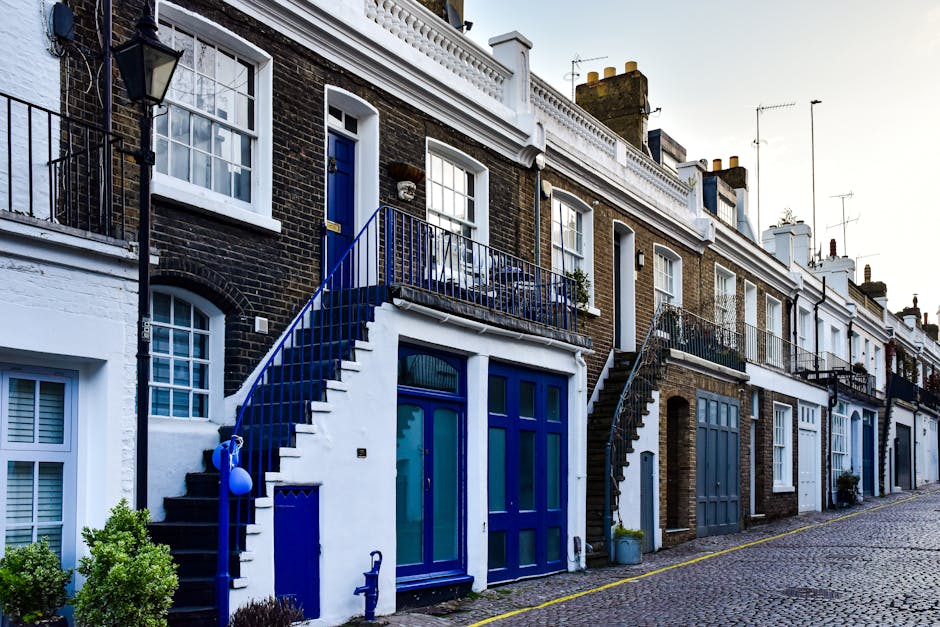
Highbury has its own moving-day personality. A top-floor flat near a busy road is a very different job from a terrace house with a private drive, and a family house move is different again from a smaller relocation with just a few key pieces of furniture. The N5 postcode includes a mix of property styles, older buildings, modern conversions, and streets where access can be tight at certain times of day.
That mix matters because removals are not only about lifting boxes. They are about planning around access, timing, traffic, staircases, furniture size, parking, and the amount of hands you actually need. If any one of those is misjudged, the whole day can drift. In our experience, most move-day stress comes from the same few things: not enough packing time, underestimating how long loading takes, and assuming the vehicle will be able to stop right outside the door.
Highbury homes also often come with the sort of life that is already full. Parents are working, students are moving between terms, landlords want turnover to be tidy, and buyers want to complete without drama. So advice has to be practical, not theoretical. If you are looking at the wider moving picture too, the article on Highbury's mix of history and modern living gives useful local context for why the area can feel so varied from street to street.
Expert summary: In Highbury, the best removals plan is usually the one that respects the property type, the street layout, and the amount of time packing really takes. Shaving a little time at the planning stage often saves a lot of money and stress later.
How N5 removals advice for Highbury homes works
Good removals advice starts before anyone touches a box. A sensible process usually follows five stages: survey the move, plan the packing, choose the right vehicle and team, prepare access, and then manage moving day itself. It sounds simple, but the details are where the difference sits.
First, you work out what is actually moving. Full house contents? Just furniture and the bigger items? A partial move with storage involved? A student flat with a small number of boxes and a bed frame? Each scenario needs a slightly different approach. For example, a larger household move may suit a full team and van, while a lighter move may be better handled by a smaller vehicle or a man with a van in Highbury.
Next comes access. Highbury streets can be lovely, but they are not always forgiving when a long vehicle arrives at the wrong time. You need to think about where the van can park, how far items will need to be carried, whether there are stairs, and whether large furniture can turn through doorways and landings without damage. A narrow hallway can turn an easy-looking sofa move into a bit of a puzzle. Not a disaster, just something to plan for.
Then there is the packing side. The quality of packing can speed up the move or slow it down badly. Well-labelled boxes, protected fragile items, and manageable box weights help everyone. If you want a dedicated packing resource, the page on packing and boxes in Highbury is a useful companion to this guide.
Finally, the move is executed in sequence: heavy items first, boxes loaded with care, fragile items isolated, and unloading done room by room at the new home. That method sounds obvious, but obvious is often what keeps a move calm.
Key benefits and practical advantages
When you plan a Highbury move properly, the benefits are very concrete. You save time, reduce damage risk, and avoid the kind of last-minute panic that leads people to throw random items into carrier bags and hope for the best. There is a definite emotional benefit too. A move feels much more manageable when someone has thought through the sequence for you.
- Less damage: careful packing and correct loading protect furniture, walls, and door frames.
- Faster turnaround: the right team and vehicle reduce loading delays.
- Better cost control: efficient access and preparation reduce wasted labour time.
- Less physical strain: bulky and heavy items are handled by people used to lifting them safely.
- More certainty: you know what is happening and roughly when each stage should happen.
There is also a local benefit that people sometimes miss: good planning helps you fit around the rhythm of the area. Highbury can be busy at school run times, on match days, and during the evening rush. If you want to understand how local life shapes the area a little more, the piece on Highbury from a local resident's perspective is a decent read.
And to be fair, a smoother move also just feels better. Nobody wants to spend the first evening in a new home staring at a mountain of half-open boxes and one missing kettle. Been there, done that, got the slightly damp mug.
Who this is for and when it makes sense
This advice is useful for a wide range of Highbury movers, not just one type of household. The move might be large or small, planned months ahead or arranged with only a few days' notice. The key question is not whether you are "doing a big move" but whether the move involves access, packing, or timing challenges that benefit from a bit of professional structure.
You are likely to need this kind of advice if you are:
- moving from a flat with stairs or limited lift access
- moving a family home with furniture, appliances, and lots of boxes
- relocating a student room or shared flat
- moving office items between local premises
- needing storage between moving out and moving in
- trying to move a single bulky item such as a piano or wardrobe
It also makes sense if you are comparing moving support options. Some people only need transport. Others need full packing, dismantling, and reassembly. Others need a quick turnaround because a lease has overlapped awkwardly. If that sounds familiar, the broader removal services in Highbury overview is helpful for seeing the range of support available.
One practical point: if you are moving because of a purchase, rent change, or local investment decision, timing can become a real pressure. In that case, the Highbury property guides on buyers' essentials and property investment advice can help you think a little more broadly about the move timeline itself.
Step-by-step guidance
If you want the simplest possible path through a Highbury home move, follow this sequence. It is not glamorous, but it works.
- List everything that is moving. Separate furniture, fragile items, documents, valuables, and things going to storage or disposal.
- Measure the awkward pieces. Sofas, wardrobes, beds, mirrors, and appliances are the usual troublemakers. Check door widths, stair turns, and lift dimensions.
- Choose the right moving support. Decide whether you need a full removals team, a smaller van job, or a more tailored service such as flat removals in Highbury or house removals in Highbury.
- Book early if the date matters. End-of-month, weekend, and school-holiday slots can tighten quickly.
- Start packing well before moving day. Begin with seasonal items, books, ornaments, spare bedding, and anything you can live without for a week or two.
- Label boxes properly. Write the room and a short contents note on at least two sides. Your future self will thank you.
- Prepare access. Reserve a parking space if needed, clear hallways, and let neighbours know if shared access is likely to be busy.
- Protect the essentials. Keep keys, chargers, medication, water, toiletries, and one change of clothes with you.
- Load in a sensible order. Heavy, sturdy items first; fragile items secure and separate; essentials last so they come off first.
- Check the new property before unloading. Look for damage, confirm utility access, and decide where big furniture should go before things start piling up.
If your move is time-sensitive, a same-day option may occasionally be the right fit. That said, it is usually better to book ahead if you can. Same-day help is for when life gets a bit messy, which it does, more often than people admit. You can see the local option here: same-day removals in Highbury.
Expert tips for better results
A few small choices make a disproportionate difference. This is the sort of stuff experienced movers notice immediately.
1. Use a room-by-room packing order. It reduces chaos. If you pack by "random available box" instead, you end up with kitchen items in the bedroom, books in the hallway, and someone asking where the cutlery is at 9 p.m. Not ideal.
2. Keep one essentials box per household. Kettle, mugs, phone chargers, basic toiletries, toilet roll, snacks, and key documents. If you have children, add favourite bedding or a comfort item. If you have pets, add food and leads. Simple, but very effective.
3. Dismantle furniture only when needed. Not everything should be taken apart. Sometimes the safest approach is to leave a solid item intact if it moves cleanly. Other times, especially with tight stairwells, dismantling avoids damage and saves time. This is where local judgement matters.
4. Photograph cable setups and furniture layouts. It sounds a little fussy until you are standing in a new living room with a television stand and three identical black cables. A few photos before disconnecting can save you a frustrating evening.
5. Ask about insurance and handling practices. A trustworthy operator should be clear about how items are protected and what happens if something unexpected occurs. You can review the site's approach to insurance and safety for a sense of the standards to look for.
6. Think about temporary storage early. If there is a gap between homes, or you are decluttering before completion, storage can remove a huge amount of pressure. Better to arrange it before the van is at the door. The local storage in Highbury page is useful if you need that kind of flexibility.
7. For furniture-heavy jobs, use the right specialist. A sofa is not just a sofa when it has to turn on a landing. A piano is not just heavy; it is delicate, awkward, and expensive to get wrong. For those jobs, a dedicated page like furniture removals in Highbury or piano removals in Highbury matters.
Common mistakes to avoid
Most move-day headaches are predictable. The good news is that most are avoidable too.
- Leaving packing until the last minute. This is the classic one. People think they can "just do it the night before". They cannot. Or at least, not without pain.
- Overfilling boxes. A box should be liftable. If one person needs to deadlift it with a grim face, it is too heavy.
- Ignoring access details. A vehicle may not be able to stop where you think it can. Shared drives, permit areas, road layout, and loading restrictions all matter.
- Forgetting to measure large furniture. A wardrobe that fits in the old house does not automatically fit in the new one. Funny how that works.
- Not separating essentials. If you bury the kettle, paperwork, and phone charger, the first night becomes awkward fast.
- Choosing support based only on price. Cheapest is not always best value if you need speed, care, or specialised handling.
- Skipping the insurance and terms review. Read the basics. It only takes a few minutes and prevents misunderstandings later.
There is another small mistake that catches people out in Highbury specifically: assuming all roads and buildings are equally easy to work with. They aren't. A ground-floor flat with good access can be very simple. A conversion property with tight stairs can be a different story entirely. If you are comparing providers, the page on removal companies in Highbury can help you think about what level of support you actually need.
Tools, resources and recommendations
You do not need a mountain of equipment to move well, but a few practical tools make life easier. A decent tape, marker pens, sturdy boxes, protective wrap, and a dolly or trolley for heavier items can go a long way. If you are moving yourself, a sensible checklist and a clear room plan are just as valuable as anything you can buy.
| Item or resource | What it helps with | Best for |
|---|---|---|
| Sturdy moving boxes | Protecting contents and stacking safely | Most home moves |
| Wardrobe boxes or covers | Keeping clothes and soft furnishings clean | Bedrooms and storage items |
| Bubble wrap / paper wrap | Protecting fragile items | Glass, frames, kitchenware |
| Marker pens and labels | Quick room identification | Box sorting and unloading |
| Trolley or sack truck | Reducing strain on heavy carries | Books, appliances, bulk items |
| Short-term storage | Bridging gaps between move dates | Delayed completion or decluttering |
For people who prefer a done-for-you service, a local van and team can remove a lot of friction. The page for removal van Highbury is a useful starting point, and if you only need a lighter, flexible option, man and van in Highbury may be the better fit.
One more practical note: if you are moving near a busy local event, school timing, or a tight completion window, it is worth asking how the moving team would sequence the day. That kind of question sounds small. It isn't.
Law, compliance, standards and best practice
For most homeowners, compliance is less about paperwork for its own sake and more about sensible care, safety, and clear expectations. A reputable removals provider should have visible policies around health and safety, complaints, privacy, and fair handling of your belongings. Those policies are a good sign that the business is thinking beyond the van on the day.
In practical terms, best practice usually includes:
- safe lifting and handling methods
- clear communication about timings and access
- appropriate packing for fragile or valuable items
- reasonable care with floors, walls, and door frames
- transparent terms for booking, deposits, and cancellations
- basic privacy protection for customer details
If you want to understand how a provider approaches these fundamentals, the site's support pages on health and safety, terms and conditions, privacy, and payment and security are useful reference points. Likewise, recycling and waste handling should be considered carefully, especially if the move involves unwanted furniture or packaging. The page on recycling and sustainability is relevant if you want to move responsibly.
Truth be told, most people do not read policies cover to cover. But they should at least scan the basics. If something feels vague, ask. A decent company will not mind explaining it in plain English.
Options, methods and comparison table
Not every Highbury move needs the same method. Here is a simple comparison to help you choose the right level of support.
| Method | Best for | Advantages | Things to watch |
|---|---|---|---|
| Full house removals | Larger households, full furniture loads, family moves | Structured, efficient, less manual stress | Needs planning and clear access details |
| Flat removals | Apartment moves, upper floors, shared buildings | Suited to stairs, lifts, and tighter access | Can require extra care with manoeuvring |
| Man and van | Small loads, single-room moves, lighter relocations | Flexible, often quicker to arrange | May not suit large or complex moves |
| Storage-assisted move | Gap between properties, decluttering, staged moving | Reduces pressure when dates do not line up | Requires additional coordination |
| Specialist item handling | Pianos, heavy furniture, delicate valuables | Better protection and handling | Needs the right equipment and expertise |
Choosing well is often about matching the method to the shape of the job. A smaller move does not need a huge operation. A complex move does not benefit from pretending it is small. Simple, really.
Case study or real-world example
Here is a realistic example. A couple moving from a third-floor Highbury flat to a nearby house thought they could do everything in one afternoon. The problem was not the distance. It was the combination of a narrow staircase, a bulky sofa, and boxes that had been packed in a hurry. The first attempt at loading took far longer than expected because the furniture needed partial dismantling and the lift was too small for some items.
Once they changed approach, the move became much smoother. They separated fragile items, moved the sofa in sections, used a clear room plan, and labelled each box by destination room. They also kept one bag with kettle, snacks, chargers, and bedding to hand. By the end of the day, the difference was obvious: less lifting, less backtracking, and far fewer "where did we put that?" moments.
The lesson is not that every move needs specialist machinery. It is that a realistic plan beats optimism. Every time.
A similar kind of planning can matter if you are relocating around busier local routes or near event times, which is why guides such as the Highbury moving guide near Arsenal Stadium can be useful when timing and access are part of the picture.
Practical checklist
Use this checklist in the final week before your move. It is simple, but it catches a lot of the stuff people forget under pressure.
- Confirm your moving date and arrival window
- Check parking or access arrangements
- Measure doors, stair turns, and large furniture
- Pack fragile items with proper protection
- Label all boxes by room
- Prepare an essentials bag for the first 24 hours
- Defrost fridge/freezer if required
- Back up important files and keep documents with you
- Disconnect appliances safely
- Set aside keys, remotes, chargers, and medication
- Arrange storage if the move-out and move-in dates do not match
- Check your provider's terms, safety guidance, and payment details
Quick reminder: if the move starts feeling bigger than expected, stop trying to force it into a "simple" box. That is usually the moment to call for a more suitable moving option.
Conclusion
The best N5 removals advice for Highbury homes is not complicated. Plan for access. Pack in a way that makes sense. Choose the right level of help. And be honest about how much time the move will actually take. Highbury rewards good preparation because the area includes so many different property types and moving conditions.
If you treat the move like a project instead of a last-minute scramble, you will usually save time, avoid avoidable damage, and arrive with more energy for the first night in your new place. That first cup of tea tastes better when the boxes are stacked sensibly and you know where the kettle is. Small victory, but still a victory.
If you are comparing options or want to talk through a move in more detail, start with the services overview or head straight to the contact page for the next step.
Get a free quote today and see how much you can save.