Highbury Islington station removals day checklist
Posted on 14/06/2026
Moving day around Highbury & Islington can feel oddly exciting and slightly chaotic at the same time. Trains are humming, pavements are busy, and a van is trying to do a small ballet with a street that was never designed for oversized furniture. That is exactly why a Highbury Islington station removals day checklist matters: it gives you a calm, practical plan for the day itself, so you are not making decisions with half a packed kitchen and a missing kettle.
This guide walks you through what to prepare, how the day usually unfolds, what can go wrong, and how to keep the whole move efficient without turning it into an all-day scramble. Whether you are moving from a flat near the station, shifting office equipment, or just trying to get a sofa through a tight stairwell without drama, you will find something useful here. Truth be told, most moving stress comes from the last 10% of tasks, not the boxes themselves.
For broader local moving support, it can also help to look at the wider removals in Highbury options, especially if your move includes fragile furniture, a top-floor flat, or a tight turnaround between tenancies. And if you want a clearer idea of packing support before the day arrives, the packing and boxes service in Highbury is worth reviewing too.
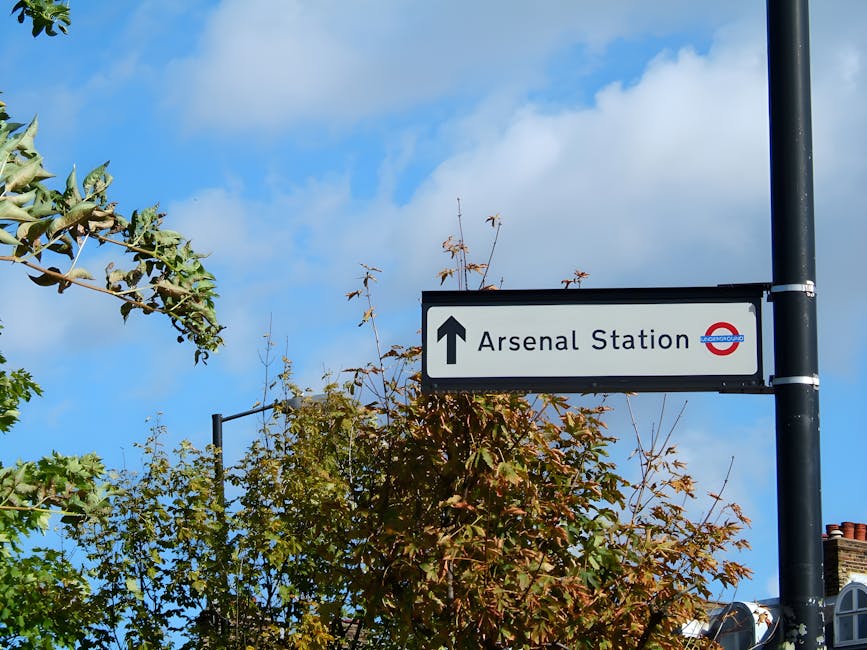
Why Highbury Islington station removals day checklist Matters
Highbury & Islington sits in a part of London where timing, access, and coordination can make or break a move. Roads get busy quickly, parking is often tight, and building access can be a little awkward if you are in a period conversion, a mansion block, or a modern apartment with a strict concierge procedure. A checklist turns the day into a sequence of manageable steps rather than one big blur.
In real terms, the checklist helps you avoid the classic moving-day mistakes: forgetting keys, leaving charging cables behind, discovering a mattress does not fit the lift, or realising the van cannot stop where you thought it could. Not ideal. Not even close.
It also helps your removals team work more efficiently. When boxes are labelled, fragile items are grouped, and access details are clear, the crew can spend their energy moving things safely rather than asking basic questions every five minutes. That saves time and reduces wear and tear on both furniture and nerves.
Expert summary: A good removals day checklist does not just organise your items; it protects your time, your belongings, and your momentum. That is especially important in a busy station area where every delay tends to ripple outward.
If your move is part of a broader home change, the context matters too. People moving into or out of the area often read local background pieces such as Highbury's mix of history and modern living or nearby lifestyle guides like a local resident perspective on the Highbury community. They are not moving guides in the strict sense, but they do help people understand the neighbourhood they are moving within.
How Highbury Islington station removals day checklist Works
The checklist works best when you treat it as a live document, not a one-off note scribbled on a box lid. Start with the essentials the day before, then move into final confirmations on the morning of the move. The idea is simple: remove uncertainty before the van arrives.
Think of the day in four stages:
- Pre-arrival preparation - keys, parking, lifts, and access are confirmed.
- Load-out readiness - boxes are grouped, furniture is protected, and essentials are set aside.
- Transit and handover - items are loaded carefully and the new address is ready to receive them.
- Final checks - meter readings, room-by-room checks, and a last sweep for anything missed.
In practice, the removals team and the customer are both managing small details at the same time. You might be answering a landlord's message while someone is disconnecting a lamp and another person is trying to get a wardrobe through a doorway that looks about an inch too narrow. That is normal. The checklist keeps the important things visible.
For people comparing support levels, services vary quite a bit. A man and van service in Highbury can suit smaller moves or student relocations, while fuller home moves often benefit from a more structured package like house removals in Highbury. Office moves, naturally, have their own pace and priorities, which is where office removals in Highbury becomes relevant.
Key Benefits and Practical Advantages
A strong removals day checklist gives you more than organisation. It gives you breathing room. And on moving day, breathing room is gold.
- Fewer delays: When access details and packing status are sorted ahead of time, the move runs more smoothly.
- Lower risk of damage: Fragile items, furniture covers, and clear handling instructions reduce accidental knocks.
- Less backtracking: You are less likely to realise mid-move that essentials, chargers, documents, or medications are still tucked away somewhere.
- Better use of labour: Movers can focus on lifting and loading, which is what you are paying them for.
- Cleaner handover: You can leave one property properly and settle into the next with less confusion.
There is also a mental benefit that people underestimate. When you know what happens next, the day feels shorter. Strange, but true. Time seems to move differently when you are not hunting for tape or wondering whether the utility supplier has been notified.
For bigger or more valuable pieces, the checklist can also help you decide whether specialist handling is needed. If you have a piano, unusually heavy cabinet, or awkward statement furniture, a dedicated service such as piano removals or furniture removals in Highbury can be a safer fit than a general load-and-go approach. That distinction matters more than people think.
Who This Is For and When It Makes Sense
This checklist is useful for almost anyone moving in or around the Highbury & Islington station area, but it is especially helpful if any of the following applies:
- You are moving from a flat with stairs, no lift, or a strict building timetable.
- You are on a tight schedule and need everything to happen in one coordinated day.
- You have fragile, bulky, or high-value items.
- You are coordinating keys, cleaners, landlords, or estate agents alongside the move.
- You are new to London removals and do not yet know how quickly logistics can become annoying.
Students often need a slimmed-down version of the checklist, especially if they are moving between rentals or halls with limited access windows. In those cases, student removals in Highbury can be a sensible match. Flat moves are another common scenario, particularly around station-adjacent streets where stairwells are narrow and parking is more of a negotiation than a certainty. That is where flat removals in Highbury can really help.
It also makes sense for short-notice moves. If you have been told to leave sooner than expected, or an offer completion has shifted dates, the checklist becomes even more valuable. In those situations, options like same-day removals in Highbury may be the practical answer. Not glamorous, but effective.
Step-by-Step Guidance
Below is a practical sequence you can follow on moving day. It is written for real life, not a perfect spreadsheet life. You know the one.
1. Confirm the basics first thing
Before the first box moves, confirm the address, access time, contact numbers, and parking arrangement. If there is a loading bay, permit, or building check-in process, make sure everyone knows it. This single step prevents a surprising number of headaches.
2. Walk through both properties
Do a quick room-by-room walk at the old place and the new one. Look for items in cupboards, loft spaces, behind doors, and on windowsills. People often miss one small shelf or a bathroom cabinet, then remember the missing bottle opener at the worst possible moment.
3. Set aside your essentials bag
Your essentials bag should stay with you, not on the van. Put in keys, wallet, medication, chargers, tea bags, snacks, important documents, toilet paper, and a change of clothes. If you arrive at the new place tired and discover there is no kettle and no mug in sight, that essentials bag will feel like a hero.
4. Protect furniture and fragile items
Make sure furniture is wrapped, legs are protected where necessary, and fragile boxes are clearly marked. For awkward items, use blankets, corner protectors, or specialist packing materials. If you have paid for professional packing, check that the most delicate pieces were packed with enough cushioning and labelled properly.
5. Keep a "do not load last" pile
Some things need to stay back until the very end: cleaning supplies, final paperwork, the kettle, charging cables, and anything you still need to use before departure. Put them in one visible area. It sounds basic. It works.
6. Load in a sensible order
Heavy and stable items should go first, with fragile and high-priority items positioned safely. Good movers will manage this instinctively, but it helps if you communicate which boxes contain what. A small note can stop a lot of confusion.
7. Check the property after loading
Once the van is full, do another sweep. Open drawers, check behind bathroom doors, look inside the oven if you used it, and peek into the meter cupboard. That last check usually finds the odd rogue item, and yes, it is often something annoyingly useful.
8. Record final readings and hand over properly
Before you leave, take meter readings if applicable, photograph anything that needs a record, and return keys as arranged. Keep the handover calm and tidy. A good exit tends to make everything else feel better, even if the day has been a bit of a mess up to that point.
9. Unload with a room-by-room plan
At the new place, place boxes in the correct rooms as they arrive. It saves you from moving them twice later. Labelled boxes make this much easier, and if you have listed priority rooms on the outside, even better.
10. Start with basics, not perfection
There is a real temptation to unpack everything at once. Don't. Start with beds, a wash kit, the kettle, and one useful surface in the kitchen. Once the essentials are in place, the rest feels manageable.
Expert Tips for Better Results
Here are the practical touches that often separate a smooth move from a merely tolerable one.
- Use colour-coded labels: One colour for kitchen, one for bedroom, one for documents. Simple, easy, surprisingly powerful.
- Photograph cable setups: If you have a TV, desktop, or printer setup, take a quick picture before disconnecting it.
- Measure awkward furniture: Measure doorframes and stair turns if you suspect a sofa or wardrobe might be tight.
- Keep a small toolkit handy: Allen keys, screwdrivers, tape, and scissors can save the day.
- Tell movers about special items early: Mirrors, antiques, plants, bikes, and instruments may need extra care.
One thing we have learned over time is that "I'll remember that later" is not a reliable moving strategy. It sounds fine at 8 a.m. By 2 p.m., it has usually disappeared into the same universe as spare keys and the last clean mug.
If you are trying to keep the move cost-efficient, it can help to review pricing and quotes in advance so you know what level of support you actually need. Sometimes the best decision is a smaller van with careful packing; other times, paying for a fuller service saves time and avoids damage. There is no one-size-fits-all answer.
And do not ignore service quality. Reliable removals are not just about lifting. They are about timing, communication, and care. That is why readers often compare different removal companies in Highbury before they book.
Common Mistakes to Avoid
The most common mistakes on moving day are rarely dramatic. They are small, ordinary, and maddeningly avoidable.
- Packing the essentials too well: If you cannot find your toothbrush or phone charger, the whole evening becomes more annoying than it needs to be.
- Assuming parking will just work out: In a station area, it may not. Always confirm the plan.
- Leaving labels vague: "Misc." is not a room. Nor is "stuff".
- Forgetting to clear access routes: Hallways, landings, and staircases need to be free of clutter.
- Not separating valuables: Passports, jewellery, and small electronics are best kept with you.
- Underestimating time: Even a "simple" move can stretch if lifts are slow, traffic is busy, or furniture is awkward.
There is also a subtle mistake that catches people out: not checking service terms, insurance cover, and what happens if something is delayed or needs to be stored. A little clarity upfront beats a long, stressed conversation later. Always.
If your move involves temporary overflow, short-term holding, or a gap between completion and key handover, storage in Highbury may be the sensible bridge. Not everyone needs it, but when you do, it can remove a lot of pressure.
Tools, Resources and Recommendations
You do not need a professional toolkit to move well, but a few practical items make a noticeable difference. The aim is to keep the day tidy, not heroic.
| Item | Why it helps | Best used for |
|---|---|---|
| Marker pens | Clear box labels and room notes | Fast sorting at loading and unloading |
| Strong tape | Keeps lids secure and protects loose wraps | Last-minute packing fixes |
| Furniture blankets | Reduces scuffs on wood and painted surfaces | Sofas, tables, wardrobes |
| Zip bags | Keeps screws, brackets, and keys together | Flat-pack furniture and dismantled items |
| Toolkit | Helps with disassembly and reassembly | Beds, shelves, and larger furniture |
| Documents folder | Keeps contracts and key papers together | Completion day, tenancy handover, office moves |
For customers who prefer a more hands-off move, the broader removal services in Highbury page is a helpful place to compare support levels. If you are still early in the planning stage, the services overview is useful for understanding what can be bundled together.
If you are moving on a budget or with a lighter load, a man with a van in Highbury can be a practical middle ground. It is often ideal for smaller homes, student moves, or fast local relocations where full-scale removals would be overkill.
Law, Compliance, Standards, or Best Practice
Moving day is not just about strength and speed. There are practical standards and expectations that help keep everyone safe and the move professional. While every property and booking is different, a careful removals company should pay attention to access rules, safe lifting practices, vehicle safety, and the handling of customer possessions.
Best practice usually includes:
- clear communication about access times and loading restrictions
- reasonable care when lifting and carrying heavy items
- protective wrapping for fragile or high-value belongings
- honest discussion of insurance and liability arrangements
- respect for building rules, neighbours, and shared spaces
For your own part, it helps to read service terms carefully and understand what is included in the booking. If insurance, safety, or handling standards matter to you, the company's insurance and safety information is worth checking before moving day arrives. For a fuller picture of the business approach, you can also review the health and safety policy and the terms and conditions.
It is also fair to look at trust and business practices. Pages such as about us, payment and security, and complaints procedure can help you understand how a company handles customers before, during, and after the move. That clarity matters. A lot.
Options, Methods, or Comparison Table
Not every move near Highbury & Islington needs the same approach. The right option depends on volume, access, budget, and how much help you want on the day. Below is a straightforward comparison.
| Option | Best for | Pros | Trade-offs |
|---|---|---|---|
| Man and van | Small flats, quick local moves, light loads | Flexible, often cost-effective, simple to arrange | Less suited to large homes or many heavy items |
| Full house removals | Family homes, larger inventories, complex moves | More support, better for heavy furniture, easier coordination | Usually more planning and a bigger budget |
| Flat removals | Apartment moves, stairs, controlled access buildings | Tailored to urban layouts, practical for station-area properties | May still require careful timing and access planning |
| Same-day removals | Urgent changes, short notice moves, delayed handovers | Fast response, useful when plans shift | Availability can be tighter and planning may be limited |
| Storage plus removals | Gap between addresses, decluttering, staging | Reduces pressure if completion dates do not align | Adds an extra stage to the move |
If you are still deciding between these, a practical first step is to get a quote and match the service to the real workload, not the hoped-for workload. There is a difference. Usually a big one.
Case Study or Real-World Example
Here is a realistic moving-day scenario from the kind of job people often face around Highbury & Islington station.
A couple moving from a top-floor flat had a two-hour loading window, a narrow stairwell, and a sofa that looked just a little too ambitious for the doorway. They had packed well, but not perfectly. The removals team arrived to find the parking space clear, the lift booked, and the fragile boxes labelled in a way that made sense. That already made a difference.
The sofa needed to be angled, rotated, and gently persuaded. No drama, but definitely not a quick in-and-out. Because the checklist had already identified the item as awkward, the team brought the right lifting approach and wrapped the exposed edges before moving it. The result? No damage, no argument, and no frantic late-stage panic.
The couple also had a simple essentials box in the front hall. Kettle, mugs, phone chargers, snacks, and toilet roll. Nothing fancy. But when they reached the new property late in the afternoon, that box was the first thing they opened. A small comfort, yet honestly one of the best decisions they made that day.
That is what a good checklist does. It does not make moving fun, because let's be fair, moving is still moving. But it makes the day feel controlled, and control is calming.
For local route planning and neighbourhood-specific moving context, many people also find the following helpful: a guide to removals near Arsenal Stadium and removals tips between Highbury fields and nearby streets. They are useful if your move involves the wider area, not just the station itself.
Practical Checklist
Use this as your final moving-day list. Print it, copy it to your phone, or scribble it on the back of a box if that is how your household works. No judgement.
- Confirm van arrival time and driver contact details.
- Check access instructions for both addresses.
- Reserve or confirm parking if needed.
- Keep keys, documents, and valuables with you.
- Prepare an essentials bag for the first 24 hours.
- Label every box with room and contents.
- Separate fragile items and tell the team about them.
- Disconnect appliances safely before loading.
- Take meter readings before leaving.
- Do a full final sweep of cupboards, drawers, loft areas, and outside spaces.
- Protect floors and door frames where necessary.
- Load priority items last so they come off first.
- Place boxes in the correct rooms at the new property.
- Reassemble beds and essentials first to make the first night easier.
- Check for damage or missing items before the crew leaves.
Quick reminder: if the move starts to feel frantic, pause for two minutes, drink water, and reset the order of operations. A calm 120 seconds can save half an hour later. It really can.
Conclusion
A strong Highbury Islington station removals day checklist is not about being overly organised for the sake of it. It is about protecting your time, reducing stress, and making sure the move actually goes the way you planned. In a busy part of London, where parking, access, and timing can all get a bit messy, that structure is worth having.
Whether you are moving a one-bed flat, coordinating an office move, handling fragile furniture, or trying to get everything done before the day turns grey and drizzly, a checklist gives you a better grip on the process. Start early, keep your essentials separate, and choose the right level of help for the size of the job. That is usually where the smoothest moves begin.
If you are still comparing options or want help planning the move properly, it is sensible to look at the full range of local support and speak to a team that understands the area. Moving day is rarely perfect, but with the right plan, it can be surprisingly manageable.
Get a free quote today and see how much you can save.
And once the last box is in, the kettle is on, and the door is shut on the old place, take a second to enjoy that small, quiet feeling of getting it done. It's a good one.