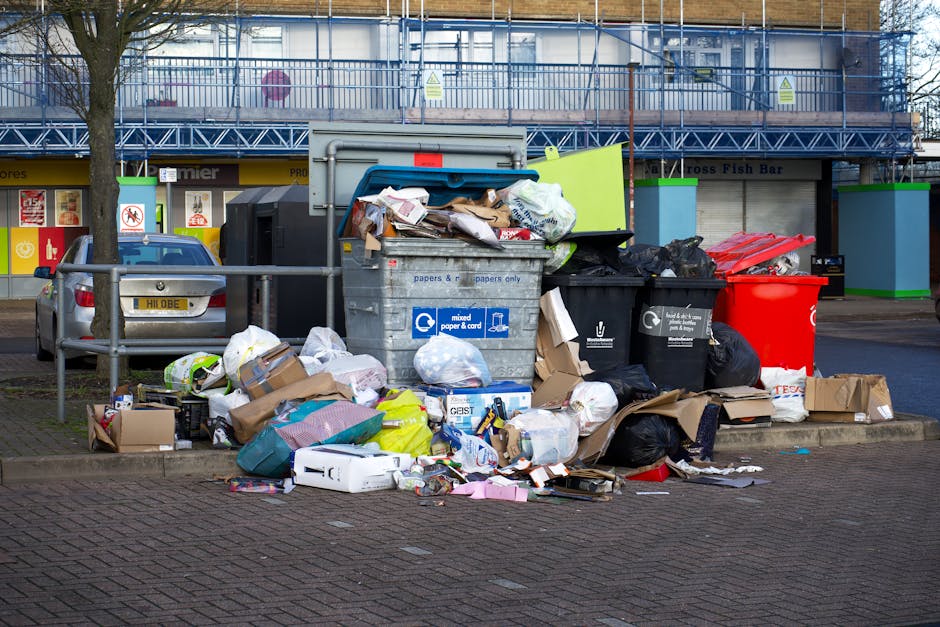
Highbury Council Skip and Disposal Rules for Removals: A Practical Guide for Safer, Smoother Moving Days
If you are planning a move, clearing a flat, or dealing with bulky items after a house or office relocation, the Highbury council skip and disposal rules for removals can affect your whole timeline. A skip on the pavement, a sofa left outside too long, or mixed waste that is not accepted can quickly turn a tidy move into a stressful one. Truth be told, this is the part of removals people often leave until the last minute.
This guide explains how skip hire, waste sorting, and disposal responsibilities usually work during removals in Highbury, why council rules matter, what to watch out for, and how to plan the job properly. You will also find a checklist, a comparison table, and a few real-world scenarios that make the rules easier to apply when the boxes are piling up by the front door.
For a broader moving plan, it can also help to look at removals, man and van, or house removals services alongside your waste plan, because disposal and transport often need to be arranged together.
- Why Highbury council skip and disposal rules matter
- How the rules and process usually work
- Key benefits and practical advantages
- Who needs this and when it makes sense
- Step-by-step guidance
- Expert tips for better results
- Common mistakes to avoid
- Tools, resources and recommendations
- Law, compliance, standards and best practice
- Options and comparison table
- Case study or real-world example
- Practical checklist
- Conclusion
- Frequently asked questions
Why Highbury council skip and disposal rules for removals Matters
Moving house or clearing commercial premises creates a lot more waste than people expect. There are broken shelves, packing materials, old curtains, flat-pack packaging, damaged furniture, and the odd item nobody quite remembers owning. If you do not deal with that waste properly, it can block access, slow down the move, or create avoidable costs.
Highbury council skip and disposal rules matter because the local street environment is busy and space is limited. In many London moves, the difference between a calm moving day and a chaotic one is whether waste disposal has been thought through early. A skip placed without the right permission, for example, may not be allowed to sit where you want it. Even if the skip company handles the logistics, you still need to understand what is acceptable to load and what should be kept separate.
It also matters from a customer-experience angle. Most people are trying to do several things at once: handover keys, protect floors, keep neighbours informed, and get the van loaded before the rain starts. The waste side of the move should reduce pressure, not add to it. A simple plan can make a surprising difference.
And then there is the practical reality: some removals are not just moving jobs, they are de-clutter jobs too. If you are downsizing, handling a probate clearance, or clearing a rental at short notice, proper disposal planning saves time and a fair bit of stress.
How Highbury council skip and disposal rules for removals Works
There are usually three separate parts to think about: the waste itself, the container used to remove it, and the responsibility for where it goes. That sounds obvious, but in the middle of a move it is easy to blur them together.
First, identify what needs to be removed. During removals, waste typically falls into broad groups such as household rubbish, cardboard, general mixed waste, furniture, electrical items, and garden or light construction waste. Not everything can go in a skip, and not everything should go in the same load.
Second, decide whether a skip is actually the best option. For some moves, a skip is ideal because there is a lot of bulky waste and you have space for delivery. For others, a vehicle-based clearance service is cleaner, quicker, and easier to manage, especially where parking is tight or access is awkward. If you are moving from a flat with narrow stairs, you may find a skip less convenient than a well-planned vehicle collection.
Third, check the placement and loading rules. Councils often care about where a skip sits, whether it obstructs the highway or pavement, and whether it creates a safety issue. That is why people working with a removal van or a moving truck sometimes coordinate waste removal separately, so the move itself is not delayed by skip logistics. If you are using broader moving support, services such as removal services or removal van hire can be paired with a waste plan more neatly than doing everything ad hoc.
Finally, think about disposal destination. Legal disposal means waste is handled by a properly run route, not dumped, fly-tipped, or left on the street. That is not just a compliance issue. It is a reputational and practical one as well. Nobody wants to be the house on the road with the mystery pile at 7 a.m., especially when neighbours are opening curtains and trying to get on with their day.
Key Benefits and Practical Advantages
When skip and disposal rules are handled properly, the benefits are immediate and fairly obvious. The move feels cleaner, the site is safer, and the final handover is less likely to be delayed by leftover waste.
- Better time control: Waste leaves when it should, so the move does not stall.
- Safer access: Clear floors, hallways, and entrances reduce trip risks.
- Less stress: You do not have to guess what can be thrown where at the last second.
- Cleaner handover: Landlords, agents, or new owners usually prefer a property that has been fully cleared.
- Reduced risk of extra charges: Mismanaged waste often leads to unexpected collection or clearance costs.
- More efficient removals: Furniture and boxes move out without waste getting in the way.
There is also a subtle benefit that people sometimes overlook: confidence. When you know the waste plan is sorted, you make better decisions about what to keep, what to dismantle, and what to send away. That can save a lot of fiddling around with half-packed rooms and awkwardly balanced items. A bit boring? Maybe. Useful? Absolutely.
If sustainability matters to you, proper disposal also supports reuse and recycling. For many households and businesses, that matters just as much as the move itself. You can explore the site's approach to recycling and sustainability if you want a more responsible moving plan overall.
Who This Is For and When It Makes Sense
This topic is relevant to a wider group than you might think. It is not just for people hiring a skip for a full-scale house clearance. In practice, it helps anyone who is moving and expects unwanted items to come out of the property at the same time.
- Home movers: families, couples, and first-time buyers clearing out old furniture or packing waste.
- Flat movers: people in apartments or maisonettes where access and parking are limited.
- Student movers: tenants clearing out at the end of term or between lets.
- Office and commercial movers: businesses replacing furniture, IT equipment, or archive material.
- Landlords and letting agents: those dealing with end-of-tenancy clearance.
- Anyone doing a partial declutter: where the move is not huge, but waste still needs to go somewhere sensible.
It makes sense whenever the property will generate more waste than a standard bin collection can handle. That might be a loft clear-out, a garage clearance, or the sort of move where every room seems to have one stubborn item nobody wants to claim. You know the one.
If your move is time-sensitive, same-day or short-notice arrangements may be more practical than a skip, particularly where access is tricky. In those cases, same-day removals can help keep the move moving, so to speak.
Step-by-Step Guidance
Here is a practical way to approach removals waste planning without overcomplicating it.
- Walk through the property room by room. Make a quick note of bulky waste, bagged rubbish, dismantled furniture, and anything reusable.
- Separate what can be reused or donated. Good furniture should not be mixed in with general waste if it can be passed on.
- Check access and parking. Can a skip reasonably be delivered? Will it block the road, neighbours, or the moving van?
- Decide whether a skip or vehicle collection suits the job. For many removals, a removal van or clearance vehicle is easier than keeping a skip on-site.
- Confirm what is allowed in the load. Some items need special handling, and mixed loads can become a problem if they include restricted materials.
- Book the disposal method early. Do not leave it until the day before, because the schedule can get tight very quickly.
- Keep the exit path clear. Waste should not block doors, stairs, lifts, or communal corridors.
- Take photos before and after. This is especially useful for rentals, offices, and any property where handover matters.
A simple example: if you are moving out of a Highbury flat and replacing a bed, wardrobe, and old desk, you may not need a skip at all. A planned furniture collection plus a removal van may be enough. If the move also includes a lot of broken packaging, appliances, and miscellaneous junk from the loft, then a different approach may be better. Matching the method to the actual waste is the whole game.
If furniture is the main issue, a dedicated furniture removals or furniture pick up service can be a cleaner fit than a general skip solution.
Expert Tips for Better Results
After enough moving days, a few patterns become obvious. Small decisions make the biggest difference.
- Start sorting before packing finishes. Do not wait until the last night. That is how useful items get thrown out by accident.
- Keep a separate pile for hazardous or awkward items. Paints, batteries, and similar materials often need special treatment.
- Use clear labels. Mark what is going to the move, what is staying, and what is disposal-only.
- Protect the route. Cardboard, blankets, or floor covers reduce damage when waste and furniture are being carried out together.
- Plan the order of operations. Bulky waste often needs to leave first so the removals team can work efficiently. It sounds small, but it helps.
- Ask about insurance and handling. If items are valuable or awkward, check how they will be moved and covered. The details matter.
One tip we always come back to: keep one small area as a "decision table". Put aside anything you are unsure about and deal with it early in the day. Otherwise, you end up standing in a corridor at 4:15 p.m. holding a lamp shade and wondering if it is staying or going. Not ideal.
If the move is business-related, the same principles apply, just with more paperwork and more pressure. Coordinating with commercial moves or office removals is often the sensible route.
Common Mistakes to Avoid
Most disposal problems are avoidable. They are usually caused by rushing, guessing, or assuming the waste team will sort everything out later. That later rarely arrives in a tidy way.
- Assuming every item can go in a skip: some items need different handling, so check before loading.
- Leaving waste outside too early: items left on the street can create complaints or safety concerns.
- Blocking access with bags and boxes: even a neat pile becomes a problem if it sits where movers need to work.
- Mixing recyclable materials with general waste: this can make disposal less efficient and less responsible.
- Forgetting about bulky furniture dimensions: a wardrobe does not magically become smaller at the kerbside.
- Not checking the schedule: if removals and waste collection clash, one of them will be delayed. Usually the one you needed most.
Another mistake is treating disposal as an afterthought. It is part of the move, not a footnote. If you need secure packing too, options like packing and boxes or packing and unpacking services can make the whole process far more orderly.
Tools, Resources and Recommendations
You do not need a lot of equipment, but the right basics help. Most of the process comes down to organisation rather than heavy machinery.
| Tool / Resource | What it helps with | Best use case |
|---|---|---|
| Strong labels or tape | Sorting keep, donate, dispose | Room-by-room packing and clear-out |
| Sturdy sacks and boxes | Containing loose waste and packing material | General household moves |
| Furniture blankets | Protecting items on the way out | Moves involving heavy or fragile pieces |
| Basic checklist | Keeping disposal tasks in sequence | Any move with mixed waste and furniture |
| Removal vehicle or truck | Transporting bulky items away efficiently | Moves where a skip is not practical |
For many people, the most helpful "resource" is a realistic estimate of what is actually leaving the property. That sounds simple, but a quick pre-move walk-through often prevents over-ordering a skip or underestimating waste. If you want a clearer view of costs before booking, take a look at pricing and quotes.
Where storage is part of the plan, the waste picture gets easier to manage. Items you are not ready to dispose of can be held safely while you decide. A storage option can be useful when the move date and disposal date do not line up neatly. And they often don't.
Law, Compliance, Standards, or Best Practice
Waste disposal in the UK is not something to improvise. Even when the exact local arrangements vary, the general principle is consistent: waste should be handled safely, moved responsibly, and taken to an appropriate place. Fly-tipping, unsafe placement, or careless loading can create real problems.
For removals, best practice usually means:
- keeping waste out of public walkways unless it has been properly arranged and permitted;
- separating reusable, recyclable, and general waste where practical;
- using a provider that can explain how waste is transported and handled;
- making sure hazardous or specialist materials are not treated like ordinary rubbish;
- protecting people first: residents, neighbours, passers-by, and the moving crew.
If you are dealing with a private road, a shared entrance, or a block of flats, the practical side becomes even more important. Communal areas are not the place for guesswork. A short delay to check access is far better than trying to move a sofa through a bottleneck while someone is frowning at the entrance, which, to be fair, happens more often than people admit.
Good operators also pay attention to insurance, safe lifting, and workplace practice. If that matters to you, it is worth reading the site's health and safety policy and insurance and safety information before booking.
Options, Methods, or Comparison Table
There is no single best disposal method for every removal. The right choice depends on how much waste you have, how quickly it needs to go, and how easy access is at the property.
| Method | Best for | Strengths | Possible drawbacks |
|---|---|---|---|
| Skip hire | Large, stationary clear-outs with enough space | Good for bulky mixed waste; can hold a lot | Needs space and may require permission or careful placement |
| Removal van collection | Moves where waste is ready to load and leave quickly | Flexible, efficient, often better for tight streets | Less suitable if waste needs to sit on-site for several days |
| Furniture-only pickup | Replacing or removing sofas, beds, wardrobes, and tables | Simple and targeted | Not ideal if you also have lots of smaller waste |
| Full removal service with clearance | House moves, office moves, end-of-tenancy clearances | Most organised and least stressful | May be more involved to plan, depending on the property |
If you are weighing up these options, think about access first, then volume, then timing. That order usually produces the right answer. A skip looks simple, but not if the street is narrow and parking is tight. A van looks easy, but not if the property is full of mixed waste that needs sorting before loading. Horses for courses, as they say.
If you need a broader moving team rather than a waste-only solution, removal companies and man with van style support can be worth comparing depending on the size of the job.
Case Study or Real-World Example
Imagine a small two-bedroom flat in Highbury. The move includes a bed frame, a broken bookshelf, several sacks of old clothes, a few kitchen items, and a mountain of cardboard from online deliveries. The resident also has a tight stairwell, no lift, and a narrow street outside. Classic London move, really.
In that scenario, a skip is not always the cleanest answer. Why? Because access is awkward, the waste is mixed, and much of it is lightweight but bulky. A more practical approach may be to separate the furniture, flatten the cardboard, and arrange a collection that can be loaded directly into a vehicle. The furniture can be handled alongside the move, while the lighter waste is bundled efficiently.
Now imagine a different case: a ground-floor office clear-out with lots of archive boxes, old desks, storage units, and redundant chairs. Here, a larger waste solution may make more sense, especially if the clearance is being done before a new fit-out. The main issue is volume, not stair access. Different job, different answer.
The lesson is simple. The right disposal method depends on the actual property, not a generic rule of thumb. That is why a quick assessment before moving day is worth its weight in coffee, and then some.
Practical Checklist
Use this checklist before the removal day arrives.
- Have I listed everything that needs to go?
- Have I separated keep, donate, recycle, and dispose piles?
- Do I know whether I need a skip, a van collection, or both?
- Have I checked access, parking, stairs, and loading space?
- Are any items special waste, hazardous, or awkward to handle?
- Are furniture and boxes ready to be carried out safely?
- Have I kept corridors, entrances, and communal areas clear?
- Have I planned disposal before the final moving hour?
- Do I know what paperwork, if any, I need for handover or business closure?
- Have I chosen a provider that works safely and responsibly?
For students or smaller households, the waste volume may be modest, but the timing is still important. A bit of planning before the end-of-tenancy rush can save a long, stressful evening. If that is your situation, student removals may suit the scale of your move better than a larger clearance arrangement.
Get a free quote today and see how much you can save.
Conclusion
Highbury council skip and disposal rules for removals are not just admin in the background. They shape how smooth, safe, and efficient the whole move feels. If you understand what can be loaded, where waste can sit, and which method fits your property, you avoid the common headaches that catch people out at the worst possible time.
The best results usually come from simple planning: sort early, keep access clear, match the disposal method to the job, and use trustworthy moving support where needed. That way, the removal day stays focused on moving forward, not on chasing down leftover rubbish or worrying about what should have been handled yesterday.
And honestly, that bit of calm at the end of a move matters. The flat is empty, the van is gone, the air smells faintly of cardboard, and you can finally close the door. Nice feeling, that.
Frequently Asked Questions
Do I always need a skip for removals in Highbury?
No. Many removals can be managed with a vehicle-based collection, a furniture pickup, or a standard moving service. A skip is usually more suitable when you have a larger volume of mixed waste and enough space for it.
Can I put furniture in a skip during a house move?
Often yes, but it depends on the type of furniture, the skip provider's rules, and whether the item needs special handling. Large or awkward furniture may be easier to remove through a dedicated furniture service instead.
What waste should I separate before moving day?
Separate items you want to keep, donate, recycle, or dispose of. It also helps to keep electrical items, batteries, and any potentially hazardous materials apart so they are not mixed into general waste by mistake.
Are cardboard boxes and packing materials treated as general waste?
Sometimes they can be, but they are often better separated for recycling where possible. Flattening boxes early makes the whole job easier and reduces the amount of space they take up.
What happens if I leave waste outside the property too early?
Leaving waste outside for too long can cause access issues, nuisance complaints, or safety concerns. It is usually better to keep everything inside until the collection or removal team is ready.
Is skip hire suitable for flat removals?
It can be, but flats often come with access and parking challenges that make skip placement awkward. In many cases, a removal van or targeted clearance service is more practical.
How do I know whether my waste needs special handling?
If an item is electrical, hazardous, pressurised, or unusually heavy, it may need special treatment. When in doubt, check before loading it with ordinary household waste.
Can removals and disposal be arranged together?
Yes, and that is often the easiest approach. Coordinating the move and disposal together keeps the timetable tighter and reduces the chance of items being left behind by accident.
What should I do if I am clearing an office rather than a home?
Office clear-outs usually need a more organised approach because of furniture, files, IT kit, and larger volumes of packaging. A commercial move plan with disposal built in is usually the safest route.
Are same-day removal services useful for disposal problems?
They can be very useful when you are under time pressure or need a fast clear-out before handover. They are not always necessary, but they are helpful when the schedule has gone sideways a bit.
How can I reduce disposal costs during a move?
Sort early, reduce mixed waste, keep recyclable items separate, and avoid over-ordering a container that is bigger than you need. Clear planning is usually the simplest way to keep costs sensible.
What is the safest way to handle bulky items during removals?
Use proper lifting techniques, protect floors and doorframes, and make sure the route out of the property is clear. If the item is too large or awkward, it is better to use professional support than risk damage or injury.
Where can I find more information about working with a moving team?
You can review the site's broader moving options, including home moves, flat removals, and office relocation services, depending on the type of move you are planning.